For compaction control on Charlotte projects, we follow ASTM D1556-16 for the sand cone method. This standard governs the in-place density of soil, critical for verifying fill placement beneath slabs, roads, and retaining structures. Charlotte sits on Piedmont residual soils—silty sands and micaceous clays with variable moisture—so achieving target compaction requires frequent field checks. Our lab runs the sand cone test directly in the excavation, using calibrated sand to measure volume and oven-dry samples for moisture content. Before heavy compaction begins, we often pair this with a plate load test to correlate density with bearing capacity. The method captures density in lifts, ensuring each layer meets project specs before the next is placed.
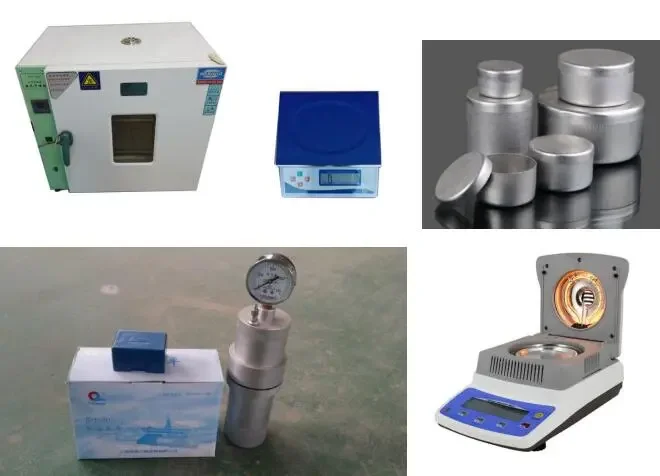
Sand cone density testing is the direct way to verify compaction compliance in Piedmont soils—no proxies, just measured in-place density.
Scope of work
Area-specific notes
Charlotte’s Piedmont geology includes residual soils with high silt fractions and varying moisture. Field density tests on these soils can mislead if the sand cone hole collapses or if wet saprolite clogs the sand flow. Our team checks for cavity stability before pouring sand. Another risk is moisture stratification—dry crust over moist fill can skew moisture content readings. We take samples from the full depth of the hole, not just the surface. The potential for up to 5% error in density if sand calibration is off is real. Our lab recalibrates the sand cone apparatus every 10 tests or after any temperature change above 10°F.
Watch how it works
This service complements our laboratory testing work for a complete project analysis.
Standards used
ASTM D1556-16, AASHTO T 191, IBC Chapter 18 – Excavation, Grading and Fill
Linked services
Nuclear Gauge Density Testing
Rapid non-destructive density measurement using Troxler gauges. Ideal for large-area fills where speed is critical. We provide direct readout of wet density and moisture.
Moisture Content Determination
Oven-dry and microwave methods for in-situ moisture. Critical for adjusting compaction effort on site. Results reported within 4–6 hours.
Proctor Compaction Curves
Standard and modified Proctor tests per ASTM D698 and D1557. We develop site-specific curves to define target dry density and optimum moisture content.
Field Compaction Reports
Certified reports with density, moisture, and percent compaction per lift. Includes test location plan and pass/fail analysis. Delivered in PDF and Excel formats.
Typical parameters
Top questions
How much does a field density test (sand cone method) cost in Charlotte?
Typical pricing for a single sand cone test in Charlotte ranges from US$80 to US$140 per point. This includes excavation, sand calibration, moisture determination, and a certified report. Volume discounts apply for projects requiring 10 or more tests.
When should I use the sand cone method instead of a nuclear gauge?
Use the sand cone method when you need a direct measurement without radiation licensing. It is the preferred method for small excavations, trenches, and when the soil contains large particles that can bias nuclear gauge readings. Also required by some DOT specifications.
What soil types in Charlotte cause problems with sand cone testing?
Piedmont residual soils with high mica content can cause the test hole to collapse, altering the sand volume. Wet saprolite clays may stick to the hole walls and trap air pockets. We use a rigid template and check sand flow before each test to mitigate these issues.
How quickly can I get results from a sand cone test in Charlotte?
We deliver same-day results for tests completed before 2 PM. Samples collected after that are processed by noon the following day. Urgent requests can be expedited with a 4-hour turnaround at no extra charge.